 English
 German
 French
 Russian
 Spanish
 Japanese
 Korean
 Portuguese
 Ukrainian
 Arabic
 Italian
How to Determine the Appropriate Laser Cleaning Machine for Small to Medium-Sized Manufacturing Workshops
Choosing the right laser cleaning machine for your small to medium-sized manufacturing workshop can be a game-changer for efficiency, cost savings, and environmental compliance. Based on insights from SFX Laser, a leading provider of industrial laser solutions, here’s a step-by-step guide to help you make an informed decision.
1. Assess Your Cleaning Needs
Start by identifying the materials and contaminants you’ll be dealing with. Common applications include rust removal, paint stripping, oil/grease cleaning, and surface preparation for welding or bonding. SFX Laser emphasizes that handheld laser cleaning machines (like the SFX QC series) are ideal for flexible, small-scale tasks, while larger workshops may benefit from automated or gantry-style systems.
2. Evaluate Laser Power Requirements
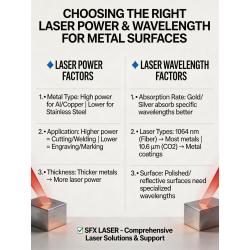
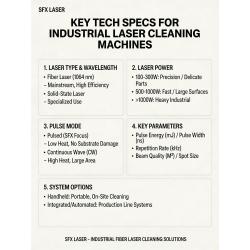
Laser power is crucial—too little, and you waste time; too much, and you risk damaging delicate surfaces. For small workshops, 100W to 500W fiber lasers are typical. SFX Laser’s 200W to 500W models handle heavy rust or thick coatings, while 100W units suffice for light oil or oxidation. Check their product page for power specifications tailored to your tasks.
3. Consider Portability and Space
Space is often limited in SMEs. Portable handheld units (like SFX’s air-cooled designs) are compact, require minimal floor space, and can be moved around the workshop. Ensure the machine includes a stable cooling system, as SFX recommends for consistent performance.
4. Look for Versatility & Ease of Use
SFX Laser’s machines often come with adjustable pulse frequency, spot size, and scan patterns, making them adaptable for various substrates (steel, aluminum, plastic). Touchscreen interfaces and preset modes reduce operator learning curves—critical for busy workshops.
5. Review Operational Costs & Safety
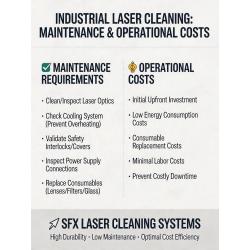
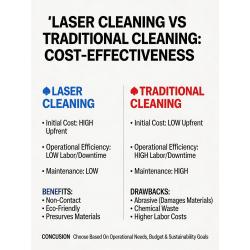
Laser cleaning is more cost-effective than sandblasting or chemical methods, but check for consumables (like protective lenses) and energy efficiency. SFX units feature class-4 laser safety enclosures and emergency stop functions. Pair with PPE and local safety regulations.
6. Test with Sample Materials
Reputable vendors like SFX Laser offer free sample cleaning tests on your parts. This verifies the machine’s effectiveness before purchase. Request a demo via their contact page.
7. Compare Warranty & Support
SFX provides 2-year warranties on many models, with responsive customer service. Read user reviews on the website to gauge reliability. Ensure spare parts and technical support are accessible in your region.
Final Verdict for SMEs: Choose a mid-power (200W–500W), air-cooled handheld laser cleaner from a trusted brand like SFX Laser. It offers the best balance of cost, mobility, and performance for small to medium workshops. Visit SFX Laser to explore specific models and request a quote.

Leave A Comment