 English
 German
 French
 Russian
 Spanish
 Japanese
 Korean
 Portuguese
 Ukrainian
 Arabic
 Italian
What Are the Logistics and Import Considerations for Purchasing Laser Equipment from Overseas?
Globalization has made it easier than ever to purchase advanced laser equipment from reputable international suppliers like SFX Laser. However, importing such specialized equipment involves careful attention to logistics, regulations, and compliance.
1. Research Regional Import Regulations
Every country has its own import requirements for laser equipment. Start by checking your local country’s regulations regarding laser machines. Many governments have strict guidelines to ensure the safety and proper use of laser devices.
- Confirm whether there are specific certifications required, such as CE, FDA, or IEC 60825-1 compliance.
- Check whether you need special permits to import laser-related equipment.
2. Choose a Reliable International Supplier
Partnering with a trustworthy supplier is crucial. SFX Laser, for instance, has a proven track record of exporting high-quality laser machines globally. Ensure the supplier has a good history of providing technical support and clear documentation, including user manuals and compliance certificates.
3. Verify Shipping Options and Costs
Shipping heavy laser equipment requires special arrangements and coordination with reliable logistics providers. Always request a detailed shipping plan, which includes:
- Estimated delivery timeline.
- Details about packaging quality to protect the equipment during transit.
- Costs associated with international transport, taxes, and duties.
4. Be Aware of Import Tariffs and Taxes
Laser equipment often falls under specialized import categories, which may have higher tariffs. It’s advisable to consult your local customs office or work with a customs broker to estimate additional costs accurately. Keep necessary invoices and shipping documents ready to avoid delays.
5. Understand Maintenance and After-Sales Support
Importing machinery from overseas could complicate repairs or maintenance if the supplier doesn't have local service centers. Before purchasing, confirm the following details:
- Warranty terms and conditions.
- Availability of spare parts.
- Access to 24/7 remote technical support.
6. Plan for Safe Installation and Training
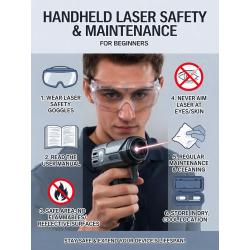
After receiving your laser equipment, ensure proper installation and safety checks are conducted. Many suppliers provide instructional videos or on-site guidance during the setup phase. Training your operators on safety and handling best practices is equally essential for long-term success.
Conclusion
Purchasing laser equipment from overseas, such as from experienced providers like SFX Laser, can provide cutting-edge solutions for your business. However, careful planning around import logistics, regulations, and after-sales support ensures smooth operations and avoids unexpected costs.



Leave A Comment